
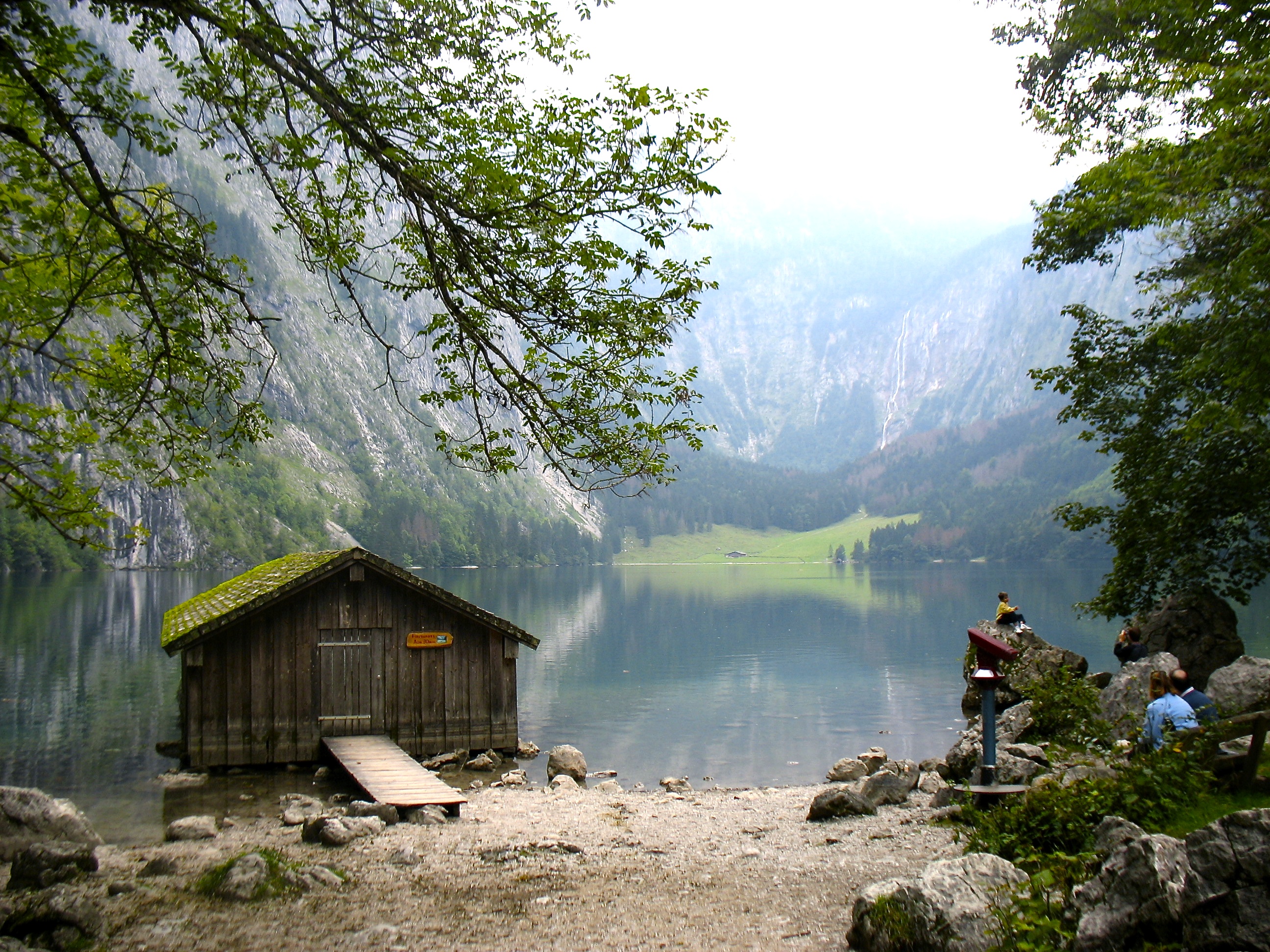
In this overly busy world, we miss a lot in our quest to make sure we never miss anything. Leaders need to take time to slow down, look inside, understand themselves better, and savor beauty, nature, conversations, and heart connections.
I love to work with executive teams in a 2 days retreat format. Yet, often when I propose that idea, leaders balk, feeling they don’t have time available to go away. Nevertheless, invariably making such a commitment results in tremendous growth as individuals and as a team.
By the end of the two days of reflection, sharing, and planning, leaders feel they have accomplished more with less hurry, than what they usually accomplish when they are trying to run through their usually full agendas. They admit to feeling more at peace, less tension, no headaches.
Why is reflection so important?
1. To lead effectively under pressure. As Richard Boyatzis and Annie McKee well said in their book Resonant Leadership: "to be able to withstand the pressures and challenges of leadership, we need to engage in a conscious process of mindfulness and renewal both on a daily basis and over time. We need to be able to find equilibrium within ourselves--in our mind, body, heart, and spirit-- to be able to lead people and groups around us."
2. To gain wisdom from experience. The only way experience will make a difference is if you take time to assign meaning to the significant events in your life and leadership journey, good or bad. Otherwise you’ll repeat the same actions expecting different results, which is the definition of insanity according to Einstein.
3. To link your performance to your potential. Without reflection you might have the tendency to attribute your success to yourself and your failures to forces beyond your control. Asking simple questions will help you grow. Questions like: What could I have done differently and why? What did I do right? Did I do anything wrong?
To be effective your self-reflection must become an active and continuing thought process. Not only do you need to evaluate your performance, but also your personal values and your behavior matches those values. It should include the impact of your actions, emotions, and words on others.
By understanding your personal strengths and limits you will be able to develop a solid and accurate sense of personal worth and capability, as well as your developmental needs for further leadership growth. You will therefore be a much more effective leader.
Remember. . .
Taking time for reflection and pausing to look inside, connect, check meanings, come to understanding, and share the heart, results in better decision making and wiser leadership.
LETS TALK: If you want to be more a more effective leader, lets schedule a free consultation to better understand your needs and challenges. Call me directly at 1-302-399-3915 or simply email me.
Photo by Dr. Ada